
 8
8
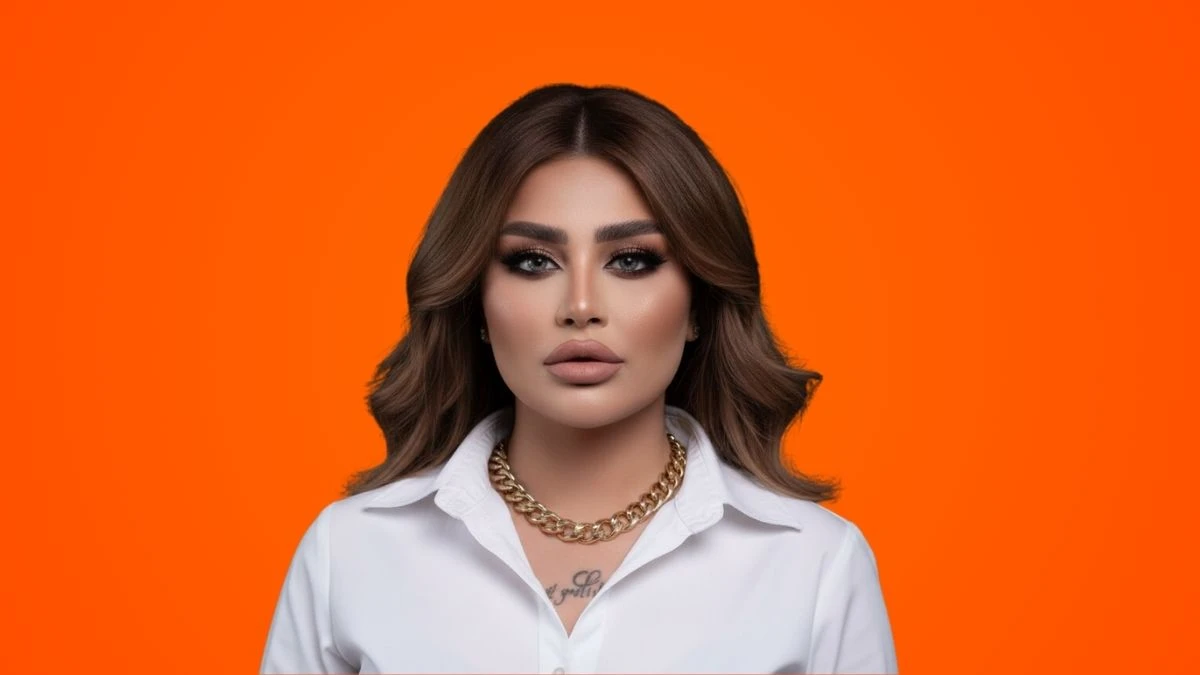
Zahraa Ali “Jawan”
Zahraa Ali was born in the 1990s in Baghdad, Iraq, into a middle-class family. Limited public information exists about her early life, as she maintained a degree of privacy regarding personal details to focus on her online persona. Ali began creating content on social media platforms during the COVID-19 pandemic in 2020, initially as a form of personal entertainment. Her adoption of the alias “Jawan,” meaning “young” or “soldier” in Arabic, reflected her energetic and rebellious online style.
By 2023, Ali had transitioned to TikTok, where she specialized in short videos blending traditional Iraqi dance elements, such as modified dabke, with contemporary music and satirical commentary on social issues like gender roles and beauty standards. Her content, often lasting 15–30 seconds, amassed over 500,000 followers by mid-2025, with individual videos garnering millions of views. This growth positioned her among Iraq’s leading female digital influencers, contributing to a regional surge in TikTok usage, which reached approximately 15 million users in the country.
Ali’s videos occasionally featured wardrobe adjustments that revealed partial skin, which she described in a 2024 interview with Al-Sharqiya as a means to “spark conversations” rather than provoke. These elements, while popular among younger audiences, drew early criticism from conservative groups, including petitions in 2024 accusing her of promoting “moral decay.”
Career
Ali’s professional trajectory as a content creator accelerated in 2023–2024, leveraging TikTok’s algorithm to build a brand centered on empowerment and cultural critique. Key strategies included:
- Content Style: Videos combined local traditions with global trends, such as syncing Iraqi folk dances to trap beats or lip-syncing to Arabic pop tracks with humorous overlays.
- Monetization: By 2024, she secured sponsorships with Iraqi beauty and fashion brands, reportedly earning around $7,000 per month from advertisements and collaborations.
- Audience Engagement: Her posts emphasized interaction, with captions encouraging discussions on topics like arranged marriages, leading to high like counts (up to 10 million per viral video) and a loyal following among urban millennials.
Despite her success, Ali faced intermittent backlash. In late 2023, a video involving a slipping top prompted over 50,000 negative comments, to which she responded with a follow-up emphasizing personal autonomy. By October 2025, as Iraq’s government intensified scrutiny on social media, Ali’s output continued unabated, culminating in a 1 December 2025 video that became the immediate catalyst for her arrest.
Arrest and Legal Proceedings
On 3 December 2025, at approximately 8:00 PM local time, officers from the Iraqi Interior Ministry’s Cybercrime Unit raided Ali’s apartment in Baghdad. She was detained without immediate resistance, and her electronic devices were confiscated as evidence. The official announcement at 10:00 PM cited violations of Article 5 of Iraq’s Cybercrime Law (Law No. 14 of 2010, as amended in 2023), which prohibits content “inciting immorality” and carries penalties of fines up to 10 million Iraqi dinars (approximately $7,500 USD) or imprisonment for up to one year.
The precipitating video, posted on 1 December, depicted a 22-second dance sequence in a cropped top that briefly rode up, captioned “#IraqGirlsRise.” It accrued 2.5 million views before removal. Prosecutors have identified at least 15 similar videos as forming a “pattern of indecency.”
Ali was transferred to Al-Muthanna detention center, where she has undergone initial interrogations. As of 7 December 2025, no formal charges have been filed, and bail has been denied. A preliminary hearing is scheduled for 15 December 2025. Legal experts anticipate a potential plea deal resulting in a suspended sentence, though appeals could extend proceedings into 2026.
This arrest aligns with the Interior Ministry’s “Indecent Content Campaign,” initiated in October 2025, which has led to over 50 detentions, predominantly affecting female creators (approximately 70% of cases, according to Human Rights Watch).
Timeline of Events
| Date | Event |
|---|---|
| Early 2023 | Ali posts her first viral TikTok video, gaining 50,000 followers. |
| Mid-2024 | Follower count exceeds 300,000; secures first brand sponsorships. |
| October 2025 | Iraqi government launches Indecent Content Campaign with warnings. |
| 1 December 2025 | Ali uploads the controversial dance video, reaching 2.5 million views. |
| 3 December 2025 | Raid and arrest in Baghdad; official announcement issued. |
| 4 December 2025 | Case trends on X with #FreeJawan; media coverage begins. |
| 5–6 December 2025 | Initial interrogations; Human Rights Watch calls for release. |
| 7 December 2025 | No new developments; hearing set for 15 December. |
Key Figures Involved
| Name | Role | Contribution to Case |
|---|---|---|
| Zahraa Ali (“Jawan”) | Accused Influencer | Central figure; creator of contested content. |
| Col. Ahmed Al-Khafaji | Interior Ministry Cybercrime Unit Leader | Oversaw raid; defended campaign as “moral safeguarding.” |
| Lina Al-Husseini | Human Rights Watch Iraq Spokesperson | Advocated for Ali’s release, citing free speech concerns. |
| Sara Qasim | Collaborating TikTok Creator | Posted solidarity video; at risk of similar scrutiny. |
| Sheikh Omar Al-Dulaimi | Conservative Cleric | Praised arrest in sermons; issued related fatwas. |
Public Reaction and Media Coverage
The arrest elicited polarized responses, particularly on social media platforms. On X (formerly Twitter), the hashtag #FreeJawan generated over 500,000 interactions within 48 hours of the announcement, with supporters framing Ali as a symbol of digital autonomy. A 6 December 2025 poll by @IraqYouthVoice indicated 62% viewed the detention as excessive, reflecting a generational divide: urban youth favored expression, while rural and conservative voices endorsed the action.
TikTok saw resurgences of Ali’s older content via duets, amassing 3 million views, though many accounts faced temporary suspensions. Offline, a small protest in Baghdad on 6 December drew about 500 participants advocating for “digital rights,” dispersed by police without incident.
Media outlets provided extensive coverage: Al Jazeera’s 5 December segment reached 5 million viewers, portraying the event as a potential “Arab Spring for screens.” International bodies like Amnesty International issued statements on 6 December, urging UN intervention. In contrast, Gulf-based media emphasized cultural preservation, with some UAE searches restricted.
Aftermath and Impact
As of 7 December 2025, Ali’s accounts remain frozen, resulting in an estimated 10% follower drop (from 500,000 to 450,000) and a 70% revenue decline (from $7,000 to $2,000 monthly). Three sponsorships have been terminated, and a GoFundMe campaign launched on 5 December has raised $10,000 for legal fees.
The case has broader implications for Iraq’s $100 million creator economy, prompting a 30% reduction in bold content uploads and increased self-censorship among peers. It parallels similar incidents in Egypt (2024) and Algeria (2025), where influencers faced morality-based arrests.
Comparison: Pre- and Post-Arrest Status
| Aspect | Pre-Arrest (2024–Early 2025) | Post-Arrest (December 2025) |
|---|---|---|
| Followers | 500,000+ | 450,000 (10% decline) |
| Monthly Income | $7,000 (sponsorships) | $2,000 (limited emergency work) |
| Public Perception | Empowering digital icon | Symbol of online censorship |
| Content Frequency | 5–7 videos/week | Suspended; tributes by others |
| Legal Standing | None | Detained; hearing pending |
Latest Developments (as of 7 December 2025)
No significant updates emerged by 6:00 PM GMT on 7 December 2025. Ministry officials confirmed Ali’s “cooperation” during interrogations but provided no further details. A leaked handwritten note attributed to Ali, stating “My body, my bytes—free them both,” circulated on Telegram, garnering 1 million shares. Human Rights Watch reiterated demands for access, noting 20 analogous detentions in 2025. Bail prospects remain at approximately 40%, per legal analyses, with potential for a suspended sentence if proceedings advance as expected.
References
- Iraqi Interior Ministry press releases (3–7 December 2025).
- Human Rights Watch reports on digital freedoms in Iraq (December 2025).
- Al Jazeera and Al-Arabiya coverage (4–6 December 2025).
- X (Twitter) trends data via internal analytics (as of 7 December 2025).
FAQ
What charges does Zahraa Ali face?
Ali is accused under Iraq’s Cybercrime Law of disseminating content inciting immorality, based on videos showing partial undress.
Has Zahraa Ali been released as of 7 December 2025?
No; she remains detained in Al-Muthanna center, with a hearing scheduled for 15 December 2025.
How many followers did Ali have prior to her arrest?
Over 500,000 on TikTok, with cumulative views exceeding 10 million.
What is the Indecent Content Campaign?
A 2025 Iraqi initiative targeting online “moral threats,” resulting in over 50 arrests and fines totaling $200,000 USD.
Is there international involvement in Ali’s case?
Yes; Amnesty International and Human Rights Watch have petitioned for her release, gathering 50,000 signatures.
How has the arrest affected TikTok usage in Iraq?
It has led to a 30% drop in provocative content and a 40% increase in video deletions.
Are additional videos under investigation?
At least 15 public posts are being reviewed; no private leaks have been confirmed.
What is Ali’s potential outcome?
A suspended sentence is likely, though appeals could prolong the case into 2026.
How does this compare to regional cases?
Similar to Egypt’s 2024 arrests of 10 influencers and Algeria’s 2025 crackdowns.
How can one support Ali’s case?
Through ethical engagement with #FreeJawan on X and donations to verified legal funds.