
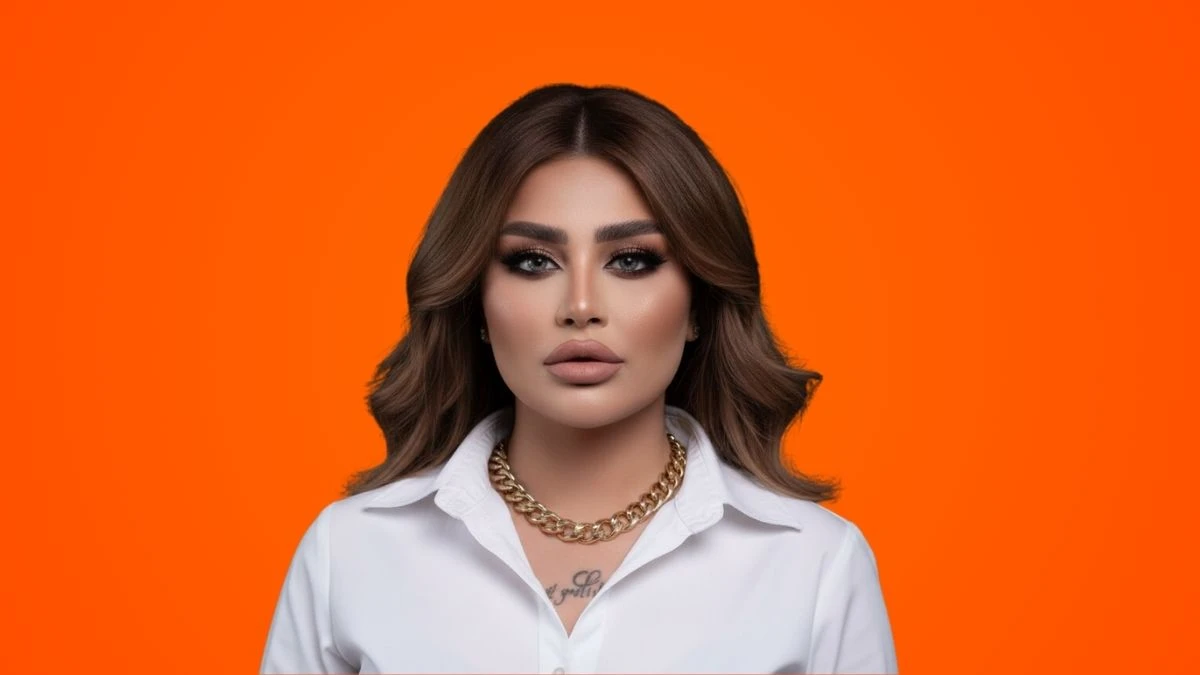
Iraqi police arrested prominent TikToker Zahraa Ali, known as “Jawan”, on December 3, 2025, in Baghdad for posting videos deemed degrading and contrary to public morals, escalating a government crackdown that has fueled debates over online free expression in a country with rising social media use.
Ali, a Baghdad-based content creator who gained fame over the past two years, built a following of hundreds of thousands on TikTok through short, bold clips often criticized for partial undressing and provocative poses. Security sources said her account drew complaints for “offending public taste” and clashing with social values. The Ministry of Interior’s degrading content committee monitored her posts for weeks before obtaining judicial warrants under Article 403 of the penal code, which punishes such violations with up to two years in prison or fines.
The arrest fits a broader campaign launched in late 2022 amid public and parliamentary outcry over “immoral” online material. That effort has led to dozens of detentions — men and women alike — for charges ranging from societal insult to inciting vulgarity. Courts have convicted at least 14 individuals since 2023, per earlier ministry reports, with over 150,000 complaints filed by mid-2023. Officials formed a dedicated unit to scan platforms, targeting what they call threats to cultural stability.
Critics, including rights groups, argue the vague laws enable overreach, stifling creativity without clear standards. Supporters view it as essential protection for conservative norms in a nation where TikTok penetration hit 20% annual growth pre-2025. Ali’s case trended instantly on Google and X, splitting opinions between calls for accountability and warnings of censorship.
She faces referral to court soon, with plans to shutter her accounts. The ministry announced in October 2025 intentions to bolster digital surveillance tools next year, signaling no slowdown in the push against perceived online decadence.